
There’s No Such Thing as a Difficult Conversation
The illusion of certainty and the power of curiosity

“Every difficult conversation contains a gap between where we are and where we need to be. The question is whether we enter that gap with the certainty of knowing or curiosity as a way of being.”
THE SHIFT | 60 second CONTEXT
“How do I have a difficult conversation?” is a question many leaders carry. Someone isn’t performing. Behaviour is impacting the team. Two people are in conflict. Someone wants a promotion or pay you can’t give them. Expectations aren't aligned.
Different situations. Same response: It’s difficult. You’re concerned, “What if they get angry, defensive or upset?” “What if it makes things worse? What if I damage the relationship? What if it hurts morale?”
If we shift the context, we shift the question:
Same situation. Different context. It’s purposeful. You’re curious, “What’s going on? What don’t I understand? What’s their intention? What assumptions am I making?
The shift: “How do I have a difficult conversation?” to “How do I have a purposeful one?”
What makes a conversation difficult?
It happens all the time, and it’s not just leaders who experience it. It’s part of being human.
A decision gets made you don’t agree with. Someone says something you don’t like. Someone offers you advice you didn’t ask for or they don’t like the way you’re doing something.
Someone’s not pulling their weight, they cut you off in traffic, they take forever in a queue, or they speak in a way you find rude and disrespectful. It doesn’t take much for a reaction.
Seriously? What are they doing? Why are they taking so long? Who do they think they are? Why would they say that?
Without realising it, our brain is firing off thoughts in all directions.
Just like a pinball machine, one thought triggers another, and another, and another. Assumptions. Predictions. Replays. Rumination. Strategising. Rehearsing what to say. Before long, our brain has built an entire story about what’s happening and what it means, with concerns about:
Others:“They’re rude. They don’t listen. They need to change. They’ll disagree. They’ll get defensive. They’ll get angry or upset.”
Ourselves:“What do I say? What if I get it wrong? What if I can’t handle their response?”
The impact:“What if I damage the relationship? What if it hurts morale? What if it makes things worse?”
Our concerns then shape the decisions we make, and how we respond.
If we think they’re wrong, we might correct them. If we think they won’t listen, we might stop talking. If we’re worried they’ll get angry, we might avoid them. If we’re afraid of upsetting them, we might soften what we really want to say.
BE AUTHENTIC ABOUT YOUR OWN EXPERIENCE
As a leader, I’ve found it far more effective to be authentic about your own experience than to tell someone what you think they should do. Share where you’ve struggled with the same thing yourself.
While we might not like to admit it, most of us don't like being told what to do. Yet so much of leadership is spent doing exactly that: giving advice, offering feedback, pointing out what someone could have done better, or differently.
There is another way. A more effective way to influence change.
Tell a story of where you got it wrong, what you struggled with and what you discovered. Let people see themselves in your experience. Stories have a powerful way of holding up a mirror without pointing a finger. They allow people to feel seen, heard, to listen, reflect and discover something for themselves.
There’s one experience I’ll never forget.
What started as a disaster became one of the most powerful opportunities to step up and be a leader: a lesson in what becomes possible when we shift our own context from certain to curious.
The relationship that started like any other, good. Then one interaction changed everything. I went from “this person is great” to “I need to stay away from them.”
I’m not going to sugar-coat it. In a meeting and someone says something that, quite frankly, pisses me off. I go quiet, muttering to myself about how self-centred and disrespectful they are. My chest tightens. My body tenses. I take a long, deep breath.
One of my colleagues notices, “Reading the tea leaves, is there something you want to say?”
All eyes are on me. My brain goes into overdrive, “Do I speak up? Do I keep quiet? Do I tell them what I really think? What if they get angry? What if I make things worse?”
I know what to say, but I don’t say it. I feel like I’ve been thrown under a bus. I diminish my experience and dilute what I say. Anything to “keep the peace”, while frustrated, annoyed and resentful. I avoid him.
Speaking up gets harder and my confidence spirals, “It’s not safe. It’s not worth it.”
There’s one problem. I’m stuck on the question: How do I have a difficult conversation?”
THE TRANSFORMATION: Get Curious
What if there’s something I haven’t seen?
I’ve come to understand that what creates the foundation for great leadership, great organisations and a great personal life doesn’t simply live in what we know or what we know to do. It lives in who we are being.
Simply put, who we’re being describes how we experience ourselves and the impact we have on others — how our thoughts, emotions, beliefs and values shape the way we interact with others and the world around us.
Embracing the wisdom of Indigenous ways of knowing, doing and being, Being invites us beneath the surface, to become more aware of ourselves, to explore the values and beliefs shaping how we see the world, and to be authentic in how we express ourselves.
Being authentic, that is, being consistent with who I hold myself out to be for myself and others — is one of my core values. It’s what people know me for and what people count on me for.
I wasn't being authentic. I was holding back, diminishing my experience and saying what I thought would “keep the peace.” While there are many things I’ve learnt as a leader, and a human, when all is said and done, without integrity, nothing works.
Integrity:
Doing what you know to do, when you know to do it; doing what you say you’ll do, when you say you’ll do it; and honouring your word to yourself and others.
I wasn’t doing what I knew to do. Despite knowing ‘certainty is an illusion, my attention was stuck in the certainty of what I thought I knew. I wasn't curious. I was reacting, making assumptions and filtering what I was seeing through my own beliefs, and past experience — a very normal human response.
Getting curious shifted my attention from what I thought I knew to what really mattered: to be authentic, to listen and lead with purpose. “What is my intention? What really matters here?”
The shift: certainty to curiosity.
“We don’t see things as they really are, we see them as we are”
listen deeply: LISTENING for purpose
Our reactions don't only tell us something about others or what’s happening around us. They can reveal something about us: what matters to us, what we believe and the assumptions we bring.
Think of it like a pair of glasses. We each look at the world through our own lens, shaped by our experiences, beliefs, expectations and assumptions. Most of the time, we don't notice the lens. We assume what we're seeing is real.
If I'm wearing rose-coloured glasses, everything I see has a rose-coloured tint. The colour isn't what I'm looking at. It's in the lens I'm looking through. Like a fish swimming in water: The fish doesn't see the water. It simply experiences the world through it.
This isn't just a metaphor. It's what the brains does.
It doesn’t just observe what’s happening. It filters information, draws on past experiences, beliefs and expectations, interprets what things mean and predicts what might happen next. Much of it happens automatically. A comment becomes disrespect. A disagreement becomes rejection. Speaking up becomes humiliation, exclusion and getting it wrong.
Before consciously examining what’s happening, our brain’s formed an interpretation of what it means and our instinct is to respond to what it means: Stay quiet. Keep the peace.
When faced with uncertainty, our brain naturally looks for answers.
Getting curious asks us to pause before assuming we've found one. It creates space to listen deeply, connect with our values, collaborate with purpose and shift our attention from certainty to curiosity. It’s where a difficult conversation becomes a purposeful one — an intentional practice of creating space between what’s happening and how we respond.
“Between stimulus and response there is a space. In that space is our power to choose or response”.
A principle often attributed to Viktor Frankl, Holocaust survivor, psychiatrist and author of Man’s Search for Meaning, who devoted much of his life’s work to our capacity to choose our response, even in the most difficult circumstances.
We may not choose every thought. But we can choose what we do with it. Perhaps the most important reminder when it comes to a difficult conversation is this:
“There is no such thing as a difficult conversation, only a difficult way of listening”
a reflective PRACTICE: ATTENTION
Next time you find yourself reacting to something someone says or does, and you go to fire off your advice, an email, or prepare for a “difficult conversation,” do the following:
PAUSE: Perhaps Another Unseen Solution Exists
Get Curious, by asking yourself: Where is my attention?
Are you stuck on the content of what they’re saying, or is it on the context? Are you listening for what you already know, or are you listening for purpose?
What is your intention? Why are you here? Are you listening for the fulfilment of your organisations purpose and getting curious about what will help your people connect? OR Are you stuck reacting to what you think we already know?
When you get out of certainty and into curiosity, you create space to discover something new. This is where connection deepens, engagement lifts, and our collective potential is realised, purpose strengthens and growth accelerates.
ABOUT THE AUTHOR
Kylee Stone is an award-winning leadership expert, executive leader and keynote speaker with more than 25 years’ experience leading people, teams and transformation.
An Aboriginal woman with ancestral connections to the Kullili and Waka Waka First Peoples, Kylee’s work in Purposeful Leadership brings together Indigenous wisdom, modern neuroscience and lived leadership experience to challenge conventional thinking about how we listen, lead and succeed with purpose.
She is the Founder & CEO of The Performance Code, presenter of the Growth Faculty’s Emerging Leaders Program: The Foundations of Purposeful Leadership and host of The Uncharted Leader Podcast.
Her philosophy is simple: leadership is a not a position, it’s a practice. It begins with listening.
IGNITE YOUR PASSION!
Follow Kylee on Linkedin and subscribe to her Newsletter - ignite your passion, grow your influence and amplify the impact you have in your community, organisation or the world!
Listen to The Uncharted Leader Podcast on Apple, Spotifyor YouTube.
Book a Call with Kylee and ask about her signature keynote on Listening For Purpose
Great Leaders Don't Motivate People. They Inspire Them.

One of the most common questions I get from leaders is: "How do I motivate my team?"
How do I get people to achieve more? How do I get them to be more engaged? How do I get people to perform?
They're great questions. But they're the wrong place to start.
The mistake isn't that we focus on motivation.
The mistake is believing motivation is where leadership begins.
Or worse, believing that a leader has the ability to determine what motivates another person.
People are motivated by different things at different stages of life.
Abraham Maslow recognised this more than eighty years ago when he introduced his Hierarchy of Needs. Human beings are motivated by different needs at different stages of life. Safety, belonging, achievement, growth, contribution and meaning all influence our behaviour.
Great leaders take time to understand motivations because they know motivation is deeply personal. While understanding what motivates people is fundamental to leadership, the only person who can truly determine what motivates someone... is that person.
Even then, it isn't always obvious. It takes deep reflection. Which leads me to what I believe is the distinction we've been missing. Leadership isn't about manufacturing motivation. It's about becoming the kind of person who inspires others to reconnect with what matters most to them.
“People find their own motivation. Great leaders help them remember why it matters.”
Inspiration vs Motivation.
We often use these words interchangeably, but there is a very distinct psychological difference.
Motivation is often self-driven or externally pushed. It relies on incentives, deadlines, or a "push" to get things done.
• Inspiration is an "infusion." It pulls you forward by changing your perspective and deeply arousing your passions
What is inspiration and what does it mean to be inspired?
The word inspiration comes from the Latin word inspirare — "to breathe into." I love that image because true inspiration doesn't feel like pressure. It’s not about forcing outcomes or controlling the narrative.
To be inspired is to experience a sudden, energising spark of creativity, purpose or possibility. It shifts your perspective, expands your thinking and compels you to act. It isn't simply an emotional feeling. It becomes a catalyst for change.
A moment where the future suddenly feels clearer than it did five minutes ago. Those moments don't simply motivate us, they shift us.
Three things are almost always present when people feel inspired:
A spark – a moment where we see what is possible.
Connection – a deep sense of meaning, authenticity and belief in something bigger than the individual.
Action – inspiration creates movement, not just an emotion.
One of the biggest myths about motivation is that we need to feel motivated before we begin. We don't. Motivation follows action.
Think about the last time you didn't feel like exercising, making a difficult phone call or starting an important piece of work. The hardest part wasn't the task. It was the first step.
Once you started, something changed - action created momentum, momentum built confidence, and confidence fuelled motivation.
Leadership works the same way. It isn't a choice between inspiration or motivation, it’s about understanding the sequence.
The Three Leadership Shifts
In more than three decades of leading people, developing leaders and helping organisations improve performance, I've come to believe that great leadership isn't built around competencies. It's built around three shifts.
Shift One: Inspiration
A leader is someone who leads and others follow. Before you can inspire others, you must be inspired yourself. Thus, leadership always begins with being the leader you are inspired to be.
Leadership begins with knowing who you are, what you stand for and why you are here. It is realised when your actions consistently match your intentions.
When people see themselves in the vision, influence follows.
Shift Two: Influence
Influence isn't about persuasion. It's about connection.
For generations, leadership was built on the belief that the leader needs to have the answers. With the rapid advancement of technology and AI, knowledge is no longer a leader's greatest source of value. The ability to listen, connect and help people discover their own thinking has become far more valuable.
When people see themselves in the purpose, commitment to action follows.
Shift Three: Impact
Inspiration without action changes nothing. Impact comes from consistently translating purpose into action.
When people feel connected to something meaningful and they take intentional action every day, and they celebrate progress over outcomes, an uplift in performance, growth and innovation comes naturally.
“Leadership begins with who you’re being, not what you’re doing.”
One Leadership Shift to Make Today
The next evolution of leadership isn't about finding better ways to motivate people. It’s about making a shift:
Stop worrying about how to motivate people.
Start becoming the kind of leader who inspires them.
Next time you walk into a meeting…before you speak, before you solve, before you try to motivate anyone. Pause and ask yourself:
“Why am I here?” and
“What values do I need to demonstrate more consistently?”
“When you change the way you look at things, the things you look at change.”
Kylee Stone is the Founder and CEO of The Performance Code, a 100% First Nations-owned leadership consultancy helping organisations unlock performance by aligning strategy, people and purpose.
An Aboriginal woman with ancestral connections to the Kulluli and Waka Waka First Peoples, Kylee brings more than 25 years of leadership experience spanning corporate, entrepreneurial and transformational learning environments. Her work integrates Indigenous ways of knowing, being and doing with modern neuroscience to help leaders navigate complexity, build trust and unlock true potential.
A highly sought-after facilitator, keynote speaker and leadership coach, Kylee has worked with some of Australia's most successful leaders and organisations to create an environment where growth accelerates and people are inspired, connected, fulfilled and flourishing.
Her mission is to develop 1 million leaders in the power of Listening For Purpose.
IGNITE YOUR PASSION!
Follow Kylee on Linkedin and subscribe to her Newsletter to ignite your passion, grow your influence and amplify the impact you have in your community, organisation or the world!
Listen to The Uncharted Leader Podcast on Apple, Spotify or YouTube.
Book a Call with Kylee and ask about her signature keynote on The Future of Leadership: Listening For Purpose.
The Leadership Advantage Isn’t Knowledge. It’s Understanding.
One of the greatest myths in leadership is that better decisions come from more information - the more you know, the better your decisions will be, right?
Wrong.
Think about it.
Despite having access to more information than at any point in human history, leaders continue to face rising complexity, declining engagement, burnout, increasing turnover and growing uncertainty.
Why is that?
Well, when uncertainty arises, which in today’s climate happens a lot, a couple of things happen.
People will tell you they don’t know what’s going on, so in the hope of providing more ‘certainty’ leaders will spend hours talking about more, better and different ways of providing more information.
People will tell you they don’t have any answers When you’re coaching an employee, and they don’t have any answers, in the hope of providing ‘certainty’ (because you’ve got limited time) you’ll jump to tips, solutions, or advice.
You give advice, updates, data, options and more information but nothing changes.
The conversation continues, ‘what are we doing to make sure people know what’s going on’. The frustration continues, ‘I’ve told them everything they need to know’ and still nothing changes.
Truth be told, knowledge isn’t the solution, it’s the problem.
When uncertainty arises, we jump to solutions, and the quickest approach is to either gather information or give information, because at least if we “know what’s going on” then at least we can feel certain.
more updates and more certainty, rather than exploring what might be creating uncertainty in the first place.
We're quick to blame systems, processes and other people, while overlooking the one thing within our control: our own understanding.
Now, I'm not suggesting there isn't anything to address in what others are doing or not doing. Of course there is. But our experience of uncertainty is ours to navigate. No matter what someone else says or does, we are the ones with the power to resolve it.
You can go looking for more information, and people can give you more information, but let's be honest. Do you really have time to read another update or watch another generic video download about what's happening around the business?
And even if you did, what impact would it really have on your ability to show up at your best, be a great human, and connect your actions to your organisation's purpose?
The real problem isn't giving people more information.
The real problem is a lack of understanding.
This insight became even more apparent while reflecting on an article by one of my dear friends, mentors and consultants in decision thinking, Shona Bernard Chandler, exploring Indigenous and Western approaches to decision-making.
The article challenges us to consider a powerful question:
What if the quality of our decisions is shaped not only by what we know, but by how we know?
Sit with that for a moment.
Because information and understanding are not the same thing.
Information and Understanding Are Not the Same Thing
Many of us believe that better decisions come from gathering more information, but information and understanding are not the same thing. Let me give you an example:
As a leader, you may know employee engagement is declining (or at least stable, but lower than you'd expect). You may know you're making little progress against your women in leadership targets. You will certainly know if your people aren't performing to expectations, productivity is falling, or turnover is either stubbornly low or rapidly increasing.
That's valuable information. But information alone doesn't tell you what to do next.
Why is engagement declining?
What are people experiencing?
What isn’t being said?
What assumptions are being made?
What is happening beneath the surface?
Without answers to these questions, leaders risk solving symptoms while missing causes.
We Don’t Lead Data. We Lead People.
Let me give you another example. Performance conversations.
As a leader, you may know an employee is underperforming and you have the data to prove it. But no matter how many conversations you have where your employee is clear about the actions they need to take, and they even take them, nothing changes.
Why is that?
It’s because the answer doesn’t lie the information being presented or observed. The answer lies in in their understanding, which is less obvious and unobservable.
Let’s use the iceberg to better understand what I mean.
Above the surface is what you observe in people’s behaviour (what they say and do, and the results they produce). Beneath the surface is what you cannot see that’s driving people’s behaviour - their fears, values, motivations, beliefs, principles, ideals, standards and ‘decisions’.
It’s not until you (and they) understand what’s beneath the surface driving their decisions, that you will get any change in behaviour. I have a saying, “we are always playing the game we are playing”.
If you, or your people, aren't producing the results you expect, there's almost always something beneath the surface shaping those outcomes.
While you keep focusing on changing behaviour, the human experience that’s driving the behaviour remains unexplored and while its’ a lot harder to discover, it’s where the answers to your problems lie.
The challenge for leaders is learning to see beneath the surface.
And if understanding lives beneath the surface, leaders need a way to access it.
Listening Deeply
One of the most common comments I experience in my interactions with leaders when I start talking about the profound impact of our values, and purpose, is “that’s deep”. I used to shy away (driven by my own fear of people backing off on ‘deep and meaningful’ conversations), but I have come to realise the profound impact it has on helping people eliminate complexity and fulfil on what really matters - and believe it or not, that leads to breakthrough experiences, and breakthrough results!
So how exactly do I do it?
There is one simple practice. Listening.
Listening with purpose and listening for purpose.
Not listening to respond, persuade or influence. Listening to understand what people are communicating, even when they don't have the words to say it explicitly.
Listening beyond the words for meaning, intention and what is trying to emerge.
The Leadership Advantage of LISTENING TO UNDERSTAND
As AI continues to transform the way we work, information will become increasingly abundant. Access to knowledge is, and will, no longer be the differentiator. Understanding will.
The leaders who thrive in the future will not be those who have all the answers, have access to the most information or can move the fastest. They will be the ones with the greatest capacity to impact understanding - leaders who listen, build trust, understand context to help people better navigate, or better yet, eliminate complexity.
Three Ways to Start Listening Differently Today
The good news is that listening deeply isn't another capability you need months of training to develop. It starts with small shifts in attention and intention.
1. Listen to understand, not to reply.
The next time you're in a conversation, notice how often you're preparing your response while the other person is still speaking. Instead, ask yourself: "What am I missing?"
Stay curious for just a little longer. Ask one more question. Reflect back what you've heard and invite people to do the thinking, give them space to explore what’s driving their decisions and to find the solution. Hold back on offering your advice, and listen. Understanding lives in the conversation we often cut short.
2. Get comfortable with silence.
Most leaders rush to fill gaps. They reassure, explain, give advice and solve.But silence isn't empty. Silence creates space for people to think, process and say what really matters.
The next time someone answers a difficult question, pause for five seconds before responding. You may be surprised by what emerges after the first answer. The first answer is rarely the whole story.
The truth often arrives after the silence, so give people time to contemplate and come back to you.
3. Listen for what sits beneath the surface.
Behaviour is information, but it isn't the whole story. When someone is disengaged, underperforming, resistant and not producing the desired results, move beyond asking, "What are you doing?" Instead, ask:
What might they be experiencing?
What matters most to them right now?
What matters most to them right now?
What are they trying to achieve?
What might they be afraid to say?
What are they trying to protect?
We hire smart people, pay them a lot of money, then we block their creativity by managing them.
The fastest way to change behaviour is to understand the human experience. People don't want to be managed, the want to be understood.
In a world where information is abundant, understanding will become the true leadership advantage. Perhaps the greatest gift we can offer the people we lead is not another answer, but the experience of being deeply understood.
Ignite your passion, listen deeply.
Kylee x
Kylee Stone is the Founder and CEO of The Performance Code, a 100% First Nations-owned leadership consultancy helping organisations unlock performance by aligning strategy, people and purpose.
An Aboriginal woman with ancestral connections to the Kullili and Wakka Wakka Peoples, Kylee brings more than 25 years of leadership experience spanning corporate, entrepreneurial and transformational leadership environments. Her work integrates Indigenous ways of knowing, being and doing with contemporary leadership practice to help leaders navigate complexity, build trust and unlock hidden potential.
A highly sought-after facilitator, keynote speaker and executive coach, Kylee has worked with some of Australia's most successful leaders and organisations to create the conditions where people, performance and purpose thrive. Her mission is to unlock the hidden potential of one million emerging leaders through the power of Listening Deeply.
IGNITE YOUR PASSION!
Follow Kylee on Linkedin and subscribe to her Newsletter to ignite your passion, grow your influence and amplify the impact you have in your community, organisation or the world!
Listen to The Uncharted Leader Podcast on Apple, Spotify or YouTube.
Book a Call with Kylee and ask about unlocking your hidden potential to accelerate growth.
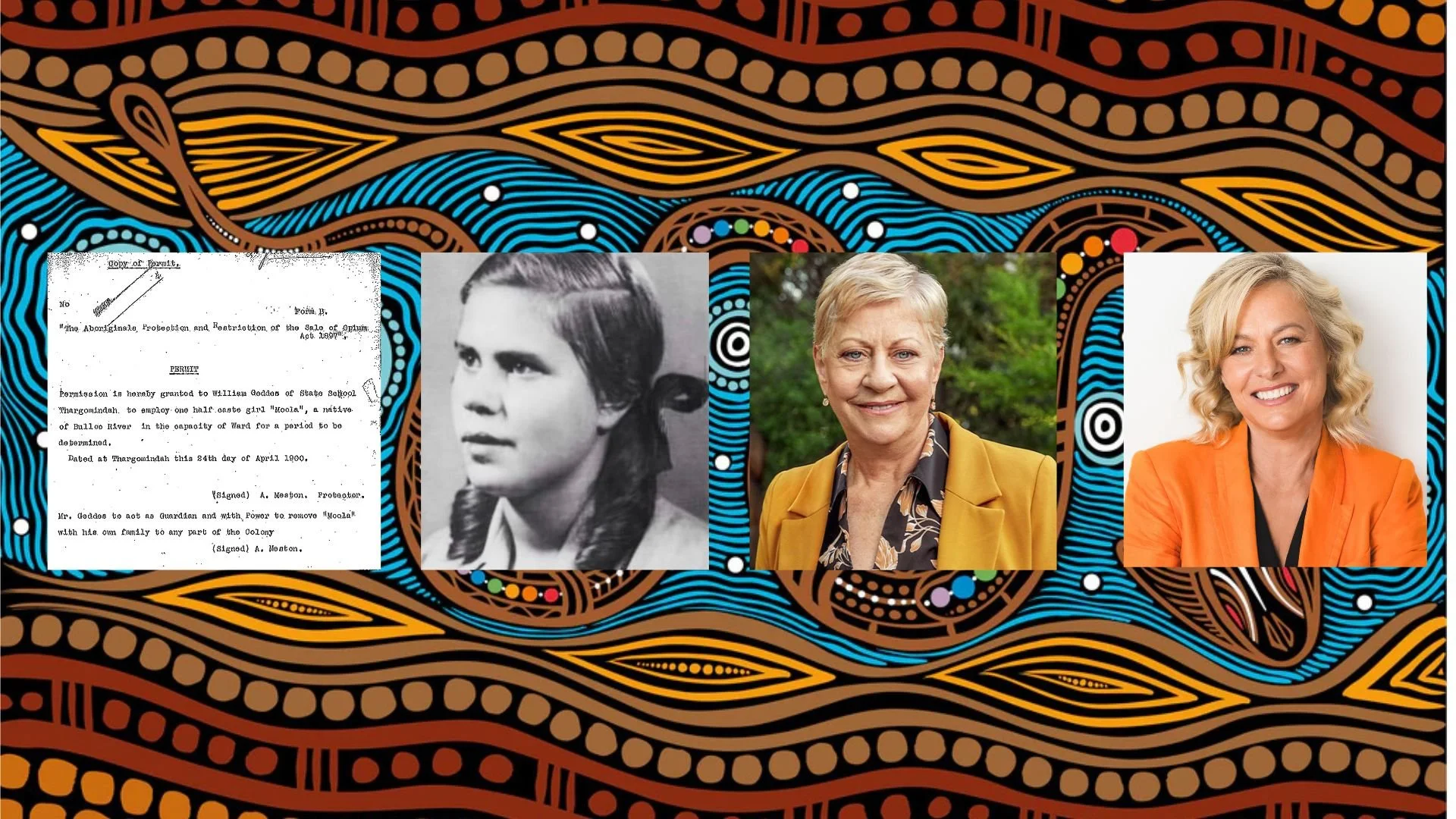
Going All In: What Reconciliation Has Taught Me About Leadership, Identity and Connection
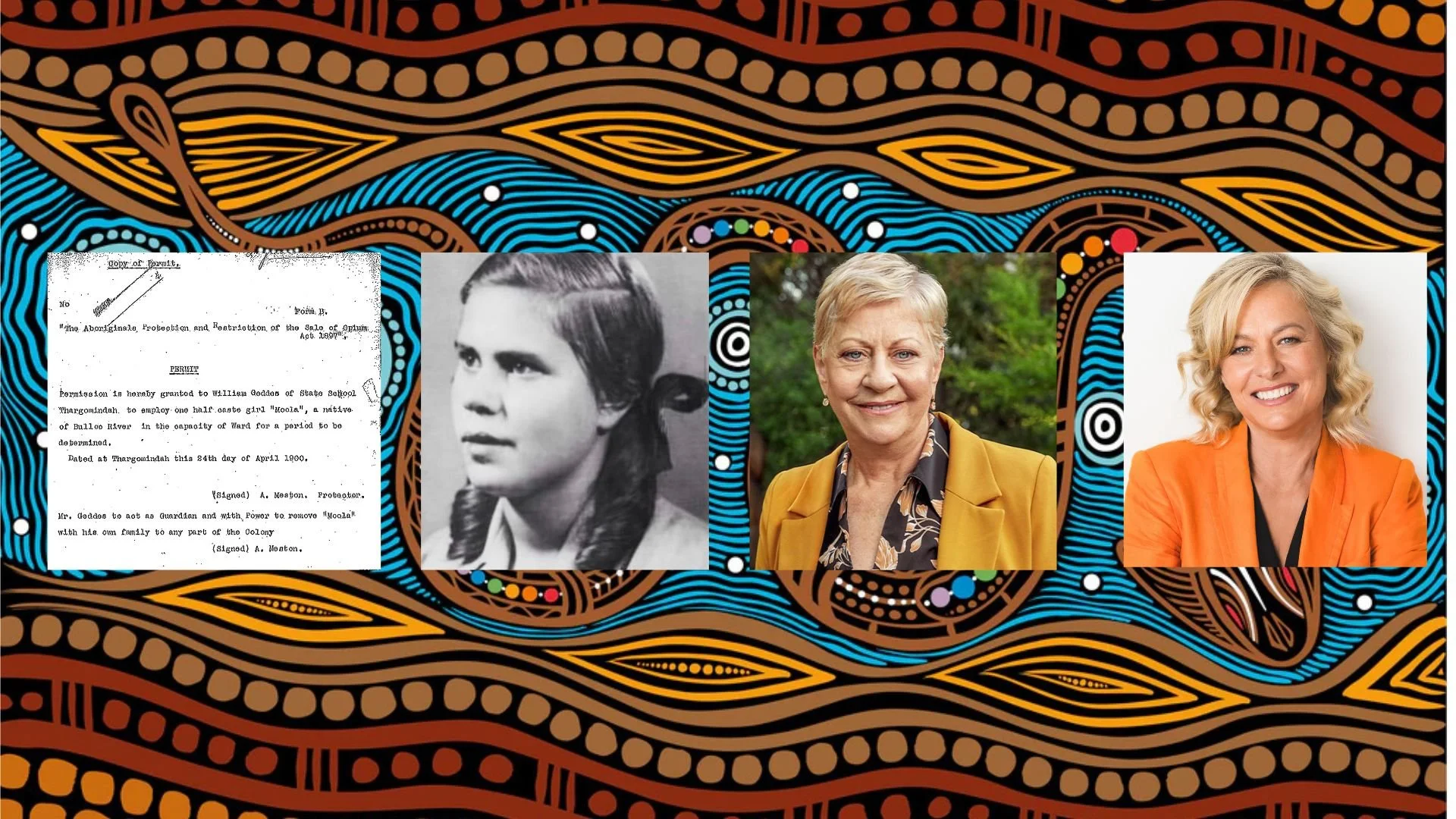
Aboriginal and Torres Strait Islander readers are advised this article contains the names and photos of people who have passed away.
Everyone has a story.
When we take the time to listen - not to respond, but to truly understand; we discover stories are far more than moments in time. Stories shape our identity, influence our values and determine how we see ourselves, how we relate to others, and ultimately, how we choose to lead.
For me, reconciliation has never been a national initiative.
It has always been deeply personal.
I was born on Dharug Country and have ancestral connections to Wakka Wakka and Kullilli Country.
Raised outside of community and shaped by the intergenerational impact of the Stolen Generations, my journey has been one of understanding who I am beyond the complexity of perception, assumptions and unconscious bias.
Like many Aboriginal families, my story stretches across generations.
My great-grandmother was removed from her family as a young child. My grandmother experienced separation from her mother and culture. My own mother was raised away from her family, and when I was born, I too was immediately removed from my mother's care through the forced adoption practices of the time.
These experiences form part of our family history.
They are not stories of blame, nor are they stories of shame.
They are stories of resilience, courage, reconciliation and determination.
Stories that remind me of the extraordinary strength of the women who came before me.
Over time, I've come to understand that reconciliation is not about revisiting the past. It is about understanding it, embracing it and valuing it. It is about restoring connection where connection was lost.
It is about recognising the dignity and value that exists in every one of us.
Most importantly, it is about listening.
One of the greatest gifts reconciliation has given me is the relationship I share with my mother, and our partnership as leaders working together to create new futures for our family, our communities and the world.
Through her determination to reconnect our family with culture, community and Country, she helped restore something that had been fractured across generations.
Her work as Australia's first Indigenous CPA, her commitment to Indigenous education and financial literacy, and her tireless contribution to community have shaped not only our family's future, but the futures of many others.
In many ways, we found ourselves walking parallel paths. Different experiences, different journeys with a shared commitment to education, leadership and creating opportunities for others. That is what reconciliation has come to mean for me.
It's not a destination. Nor is it simply a good thing to do. It is a practice, a daily choice to listen deeply - to understand before being understood, to remain curious about experiences different from our own and to create space for people to feel seen, heard and valued.
This year's call to action for National Reconciliation Week invites us to go All In.
To me, that's more than showing support, it means actively participating, moving beyond awareness into action, having the courage to listen to stories that may challenge our assumptions, and recognising that reconciliation is not solely the responsibility of Aboriginal and Torres Strait Islander peoples, it belongs to all of us.
Reconciliation is ultimately about relationships and every meaningful relationship begins with understanding.
As a leadership coach and facilitator, I often say that performance is not where leadership begins, performance is where leadership ends. Leadership begins with connection - connection to the stories that shape us, connection to the stories that shape others, connection to our individual and shared purpose.
I truly believe the leaders who will have the greatest impact in the future will not be those with the most experience, it will be those willing to listen deeply enough to understand perspectives beyond their own.
When we listen deeply, we build trust. When we build trust, we strengthen relationships and when our relationships strengthen, possibilities emerge that were never available through division alone.
National Reconciliation Week reminds us that every person carries a story and within those stories are values of resilience, care, respect, responsibility and belonging.
When we connect to those values, we begin to see one another more clearly. We create stronger relationships. We create stronger communities. We create stronger cultures within, and around, our organisations and together, we create a future where everyone has the opportunity to thrive.
This week, I invite you to reflect:
What does reconciliation mean to you?
What story has shaped the values that are most important to who you are and how you show up?
What would be possible if we go “All In” on listening to understand, walking alongside one another to create new futures - what future do you see possible?
Kylee Stone is the Founder & CEO of The Performance Code with a reputation for working with some of the most successful, high-performing organisational leaders as a Brand Builder, Growth Strategist, Coach & Facilitator specialising in leadership transformation - aligning strategy, people and performance on purpose.
She’s an Aboriginal woman with ancestral connections to the Kulluli and Wakka Wakka First Nations Peoples and over 25 years’ experience in leadership grounded in Indigenous ways of knowing, being and doing.
A highly engaging facilitator, keynote speaker and transformational leadership coach, Kylee’s mission is to unlock the hidden potential of 1M emerging leaders - her purpose, to create an environment where leaders are inspired, connected and thriving!
IGNITE YOUR PASSION!
Follow Kylee Stone on Linkedin
Listen to The Uncharted Leader Podcast on Apple, Spotifyor YouTube.
Subscribe to the Newsletter and ignite your passion, grow your influence and amplify the impact you have in your community, organisation or the world!
Book a Call with Kylee and ask about how you can unlock the hidden potential of emerging leaders in your organisation.
The Future of Leadership: Creating the Conditions for High Performance
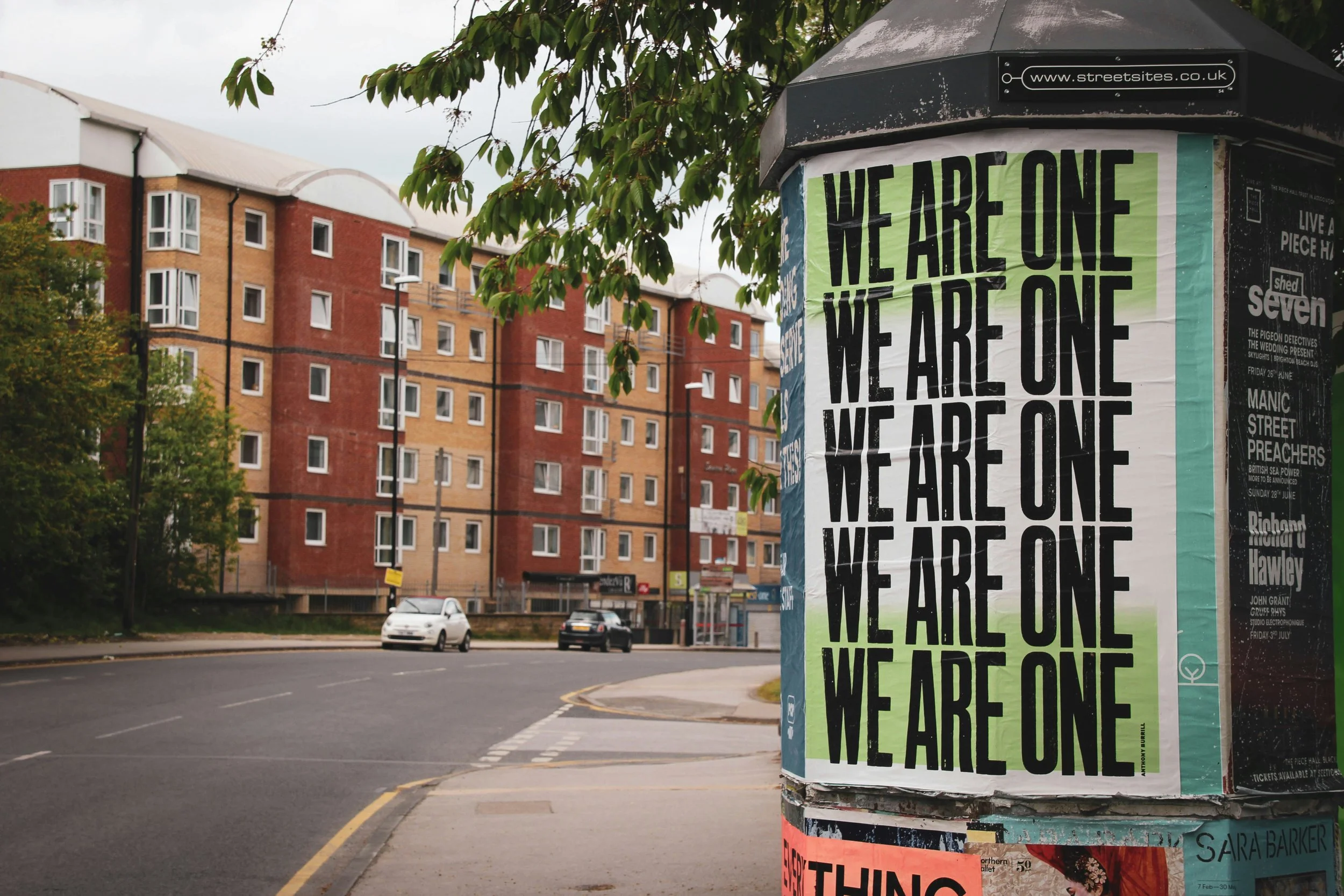
Why the future of leadership is driven by relationships, not performance
How do I become a better leader?
It’s a question many leaders ask, and most quietly carry.
Not because they lack capability, intelligence or ambition…because despite all their knowledge, skills, frameworks and strategies, the pressure to perform and move quickly, gets in the way of them being effective.
While they keep working harder, putting in more effort, many feel exhausted, frustrated and disconnected from themselves and the impact they want to create.
Everyone continues to run around exhausted. Engagement scores remain unchanged, or at best have micro movements. Trust feels fragile.
What if becoming a better leader isn’t about learning what you can do to create more certainty, influence more, or perform better? What if great leadership begins somewhere deeper?
“The quality of our leadership is shaped by the quality of our relationships - with ourselves, others and the world around us.”
Our beliefs about leadership have been built (over decades) around performance, authority and outcomes.
Most of us were taught, that as leaders, our job is to drive results, manage people, optimise performance, change behaviour, execute strategy, and maintain certainty and control.
To be fair, many of these approaches delivered extraordinary growth and innovation. But beneath the surface, something important has been missing.
Meaningful Connections.
Somewhere along the line, we forgot that we are leaders of a highly intelligent, competent and skilled workforce who have the ability to solve problems, be creative and come up with bigger, better and brighter solutions.
While organisations keep investing billions into new systems, technology, transformation and capability uplift, leaders everywhere are still asking the same questions:
Why do people still feel disengaged?
Why is trust declining? Why are people not speaking up?
Why are leaders burning out and quietly quitting?
Why does work feel increasingly lonely?
The answer is simpler than we think.
Traditional leadership approaches often start with the assumption that people are individual performers operating inside a system. Relational leadership starts from a fundamentally different worldview:
We are not separate individuals who occasionally connect.
Every conversation, every interaction is shaped through connection.
This perspective has long existed within Indigenous ways of knowing and relational worldviews, where leadership is not centred on status, control or personal achievement, but on responsibility, reciprocity, stewardship and relationship to community, Country and the collective whole.
Under this lens:
listening comes before asserting
stewardship comes before extraction
reciprocity comes before personal gain
trust is earned through responsibility
leadership is a relational practice, not a position
This changes everything, because leadership is no longer just about: “How do I get people to perform?” It becomes: “How do I create the conditions for people, relationships and systems to thrive together?”
While traditional leadership practices focus on performance, influence and outcomes. Relational leadership doesn’t reject those things, it simply starts somewhere different. It recognises that sustainable performance is built on the quality of human connection underneath it.
Traditional leadership focuses heavily on strategy, optimisation and execution. You’ll hear people asking: “How do I drive better outcomes?”, “How do I motivate my team to be more driven?”
Relational leadership brings equal attention to trust, belonging, psychological safety, values alignment and emotional awareness. You’ll hear people asking: “What conditions help people contribute and grow together?”
And this is where many leaders are currently sitting in tension.
This is hard because many workplace’s continue to reward traditional leadership behaviours of visibility, certainty, speed, executive presence, performance optics and strategic positioning.
But as AI accelerates, complexity increases, change keeps coming and human connection is becoming more important, people are no longer motivated by leaders who have the answers, they’re drawn to leaders who listen deeply, hold tension without collapsing, navigate uncertainty with integrity, align values with action, build trust through consistency and create meaning, not just momentum.
This is why I believe performance is no longer where leadership begins, it’s where leadership ends.
Performance is a measure of success in the alignment between:
strategy and purpose
people and values
leadership and behaviour
individuals and community
what we say and how we show up
When alignment exists, something shifts. People stop performing leadership and start embodying it. Trust strengthens. Complexity reduces. Even difficult work feels meaningful, and growth accelerates naturally.
This doesn’t mean abandoning accountability, strategy or optimising performance. It means recognising that performance cannot be separated from human connection, because underneath every business challenge sits a relational dynamic:
trust
fear
belonging
communication
assumptions
identity
values
emotional safety
The future of leadership will not belong to the leaders who can control the most. It will belong to the leaders who connect the deepest, who understand that listening is not a soft skill, it is a transformational skill, and that leadership is not about managing humans, it’s about understanding what it means to be human.
Perhaps the question is no longer: “How do I become a better leader?”
Perhaps the real question is: “How deeply am I willing to understand myself, others and the relationships shaping the world around me?”
That’s where leadership transformation begins.
Kylee x
If this perspective resonates with you, follow me on LinkedIn for more insights on leadership transformation and creating high-performing cultures through meaningful connection.
And if you’re ready to move beyond surface-level leadership into deeper alignment, clarity and impact, reach out to book a coaching conversation or leadership consultation.
Kylee Stone is the Founder & CEO of The Performance Code with a proven reputation for working with some of the most successful, high-performing organisational leaders as a Brand Builder, Growth Strategist and Leadership Coach specialising in transformation - aligning strategy, people and performance on purpose.
She’s an Aboriginal woman with ancestral connections to the Kulluli and Wakka Wakka First Nations Peoples and over 25 years’ experience in leadership grounded in Indigenous ways of knowing, being and doing.
A highly engaging facilitator, keynote speaker and transformational leadership coach, Kylee’s mission is to unlock the hidden potential of 1M emerging leaders - her purpose, to create an environment where leaders are inspired, connected and thriving!
IGNITE YOUR PASSION!
Follow Kylee Stone on Linkedin
Listen to The Uncharted Leader Podcast on Apple, Spotifyor YouTube.
Subscribe to the Newsletter and ignite your passion, grow your influence and amplify the impact you have in your community, organisation or the world!
Book a Call with Kylee and ask about how you can unlock the hidden potential of emerging leaders in your organisation.

The Engagement Paradox: Leaders want it most and feel it least

Photo by Franco Antonio Giovanella on Unsplash
“You don’t have an engagement problem. You have a listening problem.” - Kylee Stone
The latest 2026 Gallup Workplace Report tells us engagement is at its lowest point since 2020 - and the cost is staggering.
Everyone wants greater engagement.
And yet, the latest report reveals a paradox…
For over two decades, global engagement has hovered around 20%.
We haven’t had an engagement problem.
We’ve had a leadership one.
We're asking leaders to lead the mission to uplift engagement; but the very people we rely on to motivate others are among the most disengaged.
Let's sit with that for a moment.
The people responsible for engagement are among the most disengaged themselves.
Manager engagement has declined sharply; stress, loneliness and emotional fatigue are no longer edge cases, they are the dominant experience for many leaders.
Now, you didn't need a global workforce report to tell you what you already know.
Look no further than your own experience, or your own companies engagement studies.
What the data doesn’t explicitly say, but what leaders feel every day:
You cannot engage others, when you're disconnected yourself.
This isn’t a failure of effort.
It's not a lack of care, commitment or capability.
It’s certainly not because leaders “don’t get it”.
Quite the opposite, they get it and they've been getting it for decades.
There's one blindingly obvious reason:
It’s because leaders are operating above the surface, responding to what they see - rewarding output over alignment, speed over sense‑making and performance over presence.
But behaviour, and in-deed performance, doesn't shift if we see - it comes from what lies beneath the surface in the hidden beliefs, decisions and values.
The quiet contradiction leaders are living with every day.
I see the same pattern emerging. Capable, values‑driven people who:
want their teams to feel energised and connected
want work to feel meaningful again
want to lead in a way that reflects who they are
And yet, they are:
exhausted
stretched thin
leading on autopilot without even seeing it.
The most common blindspot, an uncomfortable truth we rarely admit, or in some cases aren't aware of: believing your values are what matters to you, rather than what you consistently bring.
Values aren’t something you choose when it’s convenient, they’re something you hold when it’s not. If they don’t hold, they’re not values — they’re preferences.
What Indigenous Wisdom teaches US.
As an Aboriginal woman, I carry a cultural wisdom that long predates leadership frameworks and feels profoundly relevant to the challenges leaders are experiencing.
A leader is not the person who is expected to have all the answers.
A leader is not expected to have the loudest voice.
A leader is not someone who makes the fastest decisions.
A leader is someone who creates an environment where people are heard, valued, appreciated and empowered.
An empowered environment is one where people are trusted to think, supported to act, invited to contribute and choose to lead themselves with ownership and integrity.
It starts with listening.
Not listening to respond. Not listening to fix. Not listening to solve.
But rather, listening to understand.
Listening with purpose.
Listening deeply is not passive; it's an act of intention.
When leaders pause long enough to listen, to themselves and those around them, something shifts:
anxiety softens
trust strengthens
meaning returns
ideas spark
performance lifts
growth accelerates
This is human-centred leadership at its finest.
And in times of complexity, it is the most strategic move available.
Why engagement efforts keep missing the mark
Engagement strategies are failing because they keep focussing on what lies above the surface, in repeating what we know, doing more and expecting more.
More tools. More surveys. More conversations. More initiatives layered onto leaders who are already at capacity - exhausted, overwhelmed and managing rather than leading.
Engagement doesn’t live in what a leader does for their people, it lives in the moments where leaders:
are present instead of rushed
challenging their own assumptions
listening instead of reacting, and
creating meaningful connections
Engagement is not created by what leaders roll out. It is created by how they listen.
The one thing in your control: LISTEN UP.
You may not have any control over organisational change, restructures or job losses.
You may not have any control over AI disruption.
You may not have any control over the future of the economy and the impact it has on the business and your team.
But you do have control this:
Who you choose to be in the moments that matter.
Leadership is driven by a series of habits; your mission is to replace old habits with new practices.
One radical, but deceptively simple act of leadership is the practice of:
Listening deeply.
Without any agenda, assumptions, bias, opinion or judgement, interruption or need to fix or change the person, or situation.
Listen to understand.
Listen to connect values.
Listen with purpose.
This is not about hearing the words people speak; it's about creating space to reflect, be curious and connect to the meaning, value and purpose behind what's said.
What we say, and do, is only one part of the picture. Real power lies hidden beneath the surface in the principles, ideals, standards and VALUES.
My invitation to every leader. Before your next conversation, or next meeting, pause and ask:
What is the purpose / objective (desired outcome)?
What does success look like?
What am I listening for?
When leaders listen differently, people experience leadership differently.
When that happens, engagement stops being something we chase.
It becomes something that emerges.
Kylee x
Kylee Stone is the Founder & CEO of The Performance Code with a proven reputation as a high-performance Brand Builder, Growth Strategist and Leadership Coach specialising in transformation - shifting leadership from position to practice.
She is an Aboriginal woman with connections to Kulluli, Waka Waka and Eora Nations, with over 25 years’ experience in storytelling grounded in Indigenous ways of knowing, being and doing.
A highly engaging speaker, facilitator and coach, she works with leaders to align strategy, people and purpose — creating the conditions for connection, performance and accelerated growth.
IGNITE YOUR PASSION!
Follow Kylee Stone on Linkedin
Listen to The Uncharted Leader Podcast on Apple, Spotifyor YouTube.
Subscribe to the Newsletter and ignite your passion, grow your influence and amplify the impact you have in your community, organisation or the world!
Book a Call with Kylee and ask about how you can unlock the hidden potential of emerging leaders in your organisation.
2026 Gallup Workplace - At a Glance
Global employee engagement has fallen to ~20% — the lowest level since 2020
Engagement has hovered around 20–23% globally for over two decades
Managers — responsible for the majority of team engagement — are now among the fastest declining in engagement
Despite billions invested in engagement strategies, the underlying pattern has barely shifted
(Source: Gallup Workplace Report 2026)

The Leadership Gap No One Talks About: Why So Many Leaders Struggle to Perform
“Performance doesn’t elevate with strategy, it elevates with listening.”
What is the leadership gap no one is talking about?
It’s not a lack of strategy.
It’s not a lack of capability.
It’s not even a lack of communication.
It’s a lack of connection.
In business we talk constantly about value creation, value propositions and value exchange. But there is a deeper question most leaders never ask:
Do I truly know my own value, and am I living in alignment with my values?
When leaders lose connection with their own values, leadership loses its grip and quietly creates environments driven by performance and profit over purpose and impact.
Most leadership advice focuses on performance.
But performance is rarely the real problem.
The real problem is connection.
Over the past 25 years I’ve worked across media, strategy and leadership, helping organisations connect more meaningfully with their audiences, customers and people. What I’ve come to realise is that the same principle sits at the heart of both building great brands and great leadership.
Connection.
Not superficial connection.
Not transactional communication.
Connection.
Real connection begins with something far deeper than speaking about what you know.
It begins with listening deeply.
Beneath the noise of strategy, performance and expectation, when leaders begin to listen deeply they start to see and hear what is actually shaping behaviour and limiting performance — the beliefs, stories and social conditioning operating quietly beneath the surface.
This is why great leadership begins with listening.
Listening for our values,
Listening with purpose,
Listening for purpose.
When leaders develop the courage to look beneath the surface and transform the beliefs that no longer serve them, something remarkable happens.
Fear loosens its grip. Passion returns and people reconnect with the part of themselves that knows they are capable of far more than they have allowed themselves to believe.
Leadership is no longer about control, performance or authority.
It becomes about the value of meaningful connection.
Connection to self.
Connection to others.
Connection to a shared purpose.
When leaders operate from a place of alignment, they create environments where others do the same.
People feel seen.
People feel valued.
People feel inspired to contribute their best.
That is where real performance, real value creation and real leadership emerge.
I learned this lesson long before I ever became a leader or studied leadership:
I was four years old. I wanted to sit at the table with my carers (a group of teenagers) laughing and having a good time. Instead, I heard, “Kids are the devil. They’re meant to be seen, not heard.”
Without a fully developed brain to make sense of their behaviour, I didn’t think they’re young and careless with their words. I thought something must be wrong with me.
I got out of the way and sat quietly colouring in. Not long after, one of my aunties walked over, looked at what I was doing and said, “You’re so clever.” A smile returned. I felt connected.
It was a life-defining moment that, years later, would teach me something profoundly important about leadership and our ability to navigate adversity - how deeply our values shape who we are and who we become.
Never wanting to feel that sense of disconnection again, I became someone who cared deeply about ensuring others felt heard.
And in doing so, I developed what would become my greatest strength — listening deeply and creating meaningful connection.
As an descendant of the Waka Waka and Kullili First Nations people, I came to understand this deeply through the practice of Dadirri — a quiet, inner listening that allows us to truly hear ourselves, others and the world around us.
Dadirri invites us to slow down, remove the noise and reconnect with something deeper. In many ways, my work now sits at the intersection of behavioural science, neuroscience and this deeper wisdom of listening.
When leaders learn to listen deeply (to themselves and to others) they reconnect with something essential: their own inherent value and the value of those around them. When that happens, everything shifts.
We stop performing for approval — to look good, to be appreciated, to be recognised.
Instead, we unlock the hidden driver of performance: meaningful connection to a shared purpose.
This insight sits at the heart of my work on The Performance Code: performance is the result of meaningful connection and connection begins when leaders learn to listen deeply. Performance is not the starting point of leadership, performance is the outcome. The real work is connection.
When leaders believe their value must be earned, they perform.
When leaders know their value is inherent, they listen deeply, connect — and lead.
Perhaps the most important question for leaders is not about strategy, capability or communication.
It is far simpler.
Where are you leading for performance instead of leading from a meaningful connection with your own values?
IGNITE YOUR PASSION!
Follow Kylee Stone on Linkedin, Instagram and watch The Uncharted Leader podcast on YouTube.
Book a call with Kylee and ask about The A-Game - 4 Simple Strategies to unlock your hidden potential for creating an environment where leaders thrive.
Sign up to our Newsletter and be inspired with the latest insights on purposeful leadership - listen, live, and lead with more meaning and purpose.
Values Alignment: The Leadership Advantage That Inspires Change From the Inside Out

If you’re a leader navigating complexity and the constant demand to deliver more with less, you’ve likely asked yourself, “How do I lead in a way that aligns with my values when the pressure to drive performance is high?”
You feel the tension daily: balancing empathy with accountability, speed with presence, results with relationships and beneath it all lies a deeper longing to lead in a way that feels centred, authentic and aligned.
This article invites you into an enquiry, not to add more to your plate, but to offer a clear path: how the process of alignment is the catalyst for inspiring change, strengthening trust, and accelerating growth in a way that doesn’t burn you out, but brings out your best.
Why We Must Celebrate What’s Already Working
We speak often about honesty, accountability, courage and psychological safety - not as lofty ideals, but as reflections of what we genuinely care about. Even in our imperfect moments (because we’re human), our values show up in subtle ways that deserve acknowledgment.
We tell the truth in small moments.
We care deeply about people.
We want to create environments where others feel safe.
We strive to bring our best, even when we’re stretched.
Leadership grows when we recognise our strengths and we choose to lead from them with intention.
5 Reasons Why It’s So Hard When We Care Deeply
Our brains are wired to protect what we cherish - Avoiding emotional risk often signals care, not weakness.
We value harmony because we value people - we avoid conflict to preserve connection.
We step back from discomfort because we want to do things well - we fear mishandling the moment more than the moment itself.
We listen for content because we genuinely want to understand - yet a deeper truth lives beneath the words, in the context.
We perform because we want to contribute - ‘holding it together’ reflects commitment, not protection.
In short, it’s not because we’re flawed, it’s because we’re human. It’s not that you’re values are missing, you simply need space to reconnect.
What Ancient Indigenous Wisdom and Modern Neuroscience Affirm
One of the most powerful, and too often overlooked, leadership capabilities is listening deeply – not the transactional kind that waits for its turn to speak, but a full presence, deeply human listening.
This kind of listening sits at the intersection of two worlds that rarely meet.
1. Ancient Indigenous Wisdom: Deep Listening
For over 60,000 years, Indigenous communities have practised a contemplative form of listening known as Dadirri — a word gifted by Elder Miriam‑Rose Ungunmerr‑Baumann. She describes it as: “Inner, deep listening and quiet still awareness.”
Dadirri teaches us to sow down, tune into what sits beneath words, listen to rhythm, tone and silence and hold presence without rushing to fix or perform.
You can hear Miriam‑Rose speak about Dadirri here:
https://www.youtube.com/watch?v=Z2uNBZoZVRU
This ancient wisdom offers exactly what modern leaders need: the ability to pause, attune and stay present in complexity without abandoning ourselves or our values.
2. Modern Neuroscience: The Space to Choose
Neuroscience echoes what Indigenous wisdom has always known: when we pause long enough to notice what is happening inside us, we create the conditions for clarity.
This truth is beautifully captured by Viktor Frankl:
“Between stimulus and response there is a space. In that space is our power to choose our response. In our response lies our growth and our freedom.”
Biologically, this “space” is the moment the prefrontal cortex comes back online, the part of the brain responsible for emotional regulation, empathy, perspective and intentional action.
Without the pause, we react from habit.
With the pause, we respond from alignment.
When leaders cultivate deep listening reactivity softens, clarity increases, trust strengthens, communication becomes more grounded and alignment becomes accessible again
This is not a technique; it’s a way of being and a profound competitive advantage in a world obsessed with speed rather than depth.
You can only listen to others at the depth you are willing to listen to yourself.
You can only hold space for another’s truth to the degree you can sit with your own.
A Powerful Way to Lead in Alignment With Your Values
The simplest, and most transformative, shift begins when we reframe the question.
Replace: Where am I failing?
With: Where am I already living my values and where am I ready to align?
Once you reframe the question, try out any of my 6 go-to practices for elevating your effectiveness in taking actions that align with your values no matter how difficult the challenge:
1. Honour your truth early - clarity reduces pressure.
2. Listen beyond words - silence and energy carry truth.
3. Regulate before responding - presence beats performance.
4. Take ownership - as self‑respect, not self‑blame.
5. Let values lead - especially when inconvenient.
6. Repair with humility - trust grows through repair, not perfection.
These practices allow you to focus on your strengths, embrace your humanity and help you shift from judgement to alignment, performance to presence, anxiety to calm and fear to agency.
IGNITE YOUR PASSION!
Follow Kylee Stone - The Uncharted Leader on Linkedin, Instagram and YouTube.
Book a call with Kylee and ask about The A-Game - 4 Simple Strategies for unlock your potential for unprecedented success in any environment.
Sign up to our Newsletter and be inspired with the latest insights on purposeful leadership - listen, live, and lead with more meaning and purpose.
The Leadership Gap No One Is Talking About — But Everyone Needs
There’s a paradox playing out in leadership.
We have more access to knowledge about what great leadership looks like than any generation before us - books, podcasts, frameworks, certifications, research, tools and insights at our fingertips.
And yet, beneath the surface of performance, strategic competence and success, something is missing.
People are disengaged while pretending not to be (note the movement of quietly quitting) and while a direct impact on the bottom line (in our business and life) feels hit and miss, a meaningful connection to our true passion, purpose and potential feels hard to sustain, or worse yet, impossible to achieve.
We are beyond tired. We’re exhausted, frustrated, burning out, desperate for a break and while experiencing an increased workload with more to do, it just never feels like we’re able to get ahead. We’re increasingly time-poor, more stretched and more reactive.
While many of us appear to be “high performing” on paper, we are quietly carrying the invisible weight of pressure, urgency and failure.
In my work with leaders, I see it constantly: the desire to make an impact is real but a genuine connection that empowers people, builds trust, sustains energy and delivers high-impact results is difficult to access.
This is not because they don’t care, it's often because they care too much.
I’ve walked this path myself, leading from what we see above the surface, navigating complex challenges and driving change to transform the workplace and our own lives, only to experience the same mundane challenges.
Why? Because we are leading from the same stress-fuelled, fear-based thinking, problem-solving reactionary mind.
With decades of experience in working with high-performing leaders, here’s what I’ve learnt:
Leaders don’t thrive when they do more of what they already know.
Leaders thrive when they let go of what they know, they get out of the waves and dive deep into the unknown, to align their actions with their true values, vision and purpose.
I’m an aboriginal indigenous woman, a descendent of the stolen generation of the Wakka Wakka and Kulluli First Nations Peoples. In our indigenous culture, we recognise this shift happens when we move from knowing to being - where presence wisdom and alignment come alive.
So, what is the greatest gap in leadership that no one is talking about?
It's not knowledge.
It’s not capability.
It's not persistence.
It’s not ambition.
It’s not even confidence.
It’s presence.
Presence is often mistaken as physical presence, that we show up physically. It’s also mistaken as a ‘soft skill’ of mindfulness. But in truth, it goes way beyond physically turning up and being visible.
Presence is what determines whether your team feels safe with you, whether they trust you and whether they hear you - not just your words, but your true (but often hidden) intent.
Presence, as defined in the oxford dictionary: A state of being present.
Being present is your most powerful instrument.
Ultimately we all know that leadership is never based on only what you do.
Leadership arises when the actions you take are aligned with your values. It’s more about how you feel and how you make other people feel - it’s about your who you are being when you are physically present.
Are you mentally present? Are your values present? Are “you” present?
Let’s be honest.
We are living in a world where everything around us is moving at lightening speed.
That’s not about to slow down. If anything, it is only going to move quicker as our need to adjust to the pace and efficiency of AI transforms the way we work.
No matter what is going on in the environment around us, our brain is in a constant state of stress. We are living in a constant state of urgency and in this state, our nervous system and our fear-based thinking thoughts become the decision-maker.
Our attention fragments. Our listening becomes transactional and our ability to connect diminishes. Not because we’re not trying, because our environment is overloaded.
This is why so many of us (leaders) feel like they’re doing all the “right” things, but no matter what we do, we still have the experience that nothing is really working (the way we want, or indeed the way we expect).
The Leader Must Comes First
The foundation of my work is simple:
When you align the leader within you, the leader externally becomes powerful.
Our internal experience of ourself as a leader, that is what we call our state which includes our thoughts, feelings, nervous system and our body, determines our external reality.
The quality of our own self-awareness. The quality of our attention (what we focus on). The clarity of our intention. The capacity we have to respond instead of react.
It all happens internally before we even begin our day.
Every thought we think generates an emotion.
Every emotion we feel sends a signal to our body.
Every cell in our body responds to the energy of what we repeatedly focus on.
Most of us are getting and taking action in life without even realising it, especially leaders who are trained to solve problems externally. But our internal world is not separate from our leadership. It is our leadership.
Here’s a line I come back to often:
“Our actions don’t follow what we know, they follow what we practice”
This is where neuroscience becomes deeply practical. Neuroplasticity shows us the brain is always adapting. It forms new connections based on attention, emotion and repetition.
The experts in epigenetics (my personal favourite, Dr Joe Dispenza) are expanding our understanding of how the environment, including our internal environment (thoughts, feelings and emotions), influences how we respond to life.
As it turns out, we are not responding to life, life is responding to us.
Now, what matters most to me isn't the science as knowledge, it's the science as lived-experience. Its not what you know that matters, its what you do with it that counts.
I didn’t become a leader by learning these things.
I became a leader by doing them and being them.
Why Knowing Isn’t Enough (Especially for Leaders)
As a leader, we are brilliant at gathering knowledge. We’re rewarded for being smart, informed and strategic. We’re educated, even conditioned, to seek the answer, solutions, the right model, the plan and the skill.
But leadership is rarely an intellectual event.
A thought can inspire you. A book can move you. A podcast can wake something up. But without a clear intention, without consistency, without alignment of your thinking and your emotions and without practice, most insight stays trapped in the mind.
It becomes something we admire, rather than something we experience.
This is why many of us (leaders) feel like we’ve “done the work” and still we find ourselves overthinking, people-pleasing, over-controlling the situation to avoid more failure, avoiding conflict, burning out, living in constant vigilance and failing to deliver on the results we truely desire.
This is because the subconscious mind, or as I prefer to call it, our “intrapersonal communication” (the conversations we have with ourselves that are hidden beneath the surface, blindly driving our life) is far more powerful than what we realise.
It’s not persuaded by information.
It’s persuaded by experience, and experience takes practice.
The conscious mind learns through understanding.
The subconscious learns through repetition and feeling.
And that’s where the shift from knowing to being takes place.
The Practice That Changed Everything
I want to share something deeply personal here, because this isn’t just an idea I teach. It’s a practice I’ve lived daily since 2017 after being diagnosed with auto-immune condition and waking up to my own patterns of over-giving.
I was juggling the busy demands of life as a working mum with three children who were 10, 8 and 7 years-of-age.
I was very good at prioritising other people’s needs and beating to the beat of other people’s drums. I cared deeply about other people and was very good at listening to their needs and feeding their needs while feeling completely depleted, unappreciated and not really getting the results I knew possible (for my capability).
My body was literally attacking itself and no amount intellect was getting me out of the fatigue, anxiety, sadness and frustration.
I had zero hours to spare. I was getting zero help around the unpaid duties (yes I was a slow boiling frog of resentment). I was not zen. I was not calm. I needed a new way.
Everything shifted when I made one small shift - a one-minute morning practice of making my bed while actively focussing on slowing down my breathe.
That was it. One minute of intentional listening. One minute of deep breathing and actively focussing on my own needs before the outer world got its hands on me.
Slowly, almost invisibly at first, that single minute began to compound.
One minute became two, two became three, three became five, five became ten. Ten became fifteen, fifteen became a habit, and a habit became a new identity.
Here I am, seven years later and the practice has expanded into an integrated ritual where I actively devote 1hour of practice each morning, together with it now imbued in how I life my life and how I interact with the world, not because I “should,” but because I’ve seen the profound impact it has on who I am and how I lead - the presence of being present in every interaction, every meeting and every moment.
I’m still human and I’m far from perfect (and what is perfection anyway), but I am clear that my experience, every little experience, matters.
No matter what life throws at me, no matter what someone says, no matter what someone does, no matter how bad things get, I trust myself to be a leader - to choose presence over distraction, calm over chaos and impact over urgency.
What I know to be true.
Small daily practices don’t just change our day.
They change our entire nervous system.
They change our identity.
They change what becomes possible in how we lead and the impact we have.
This is the compound effect of presence.
Why Mornings Matter More Than We Think
The morning is not simply the start of a day, it’s the start of our state.
The moment we wake up, our mind is more malleable. Our brain and our nervous system is more receptive. The “default patterns” of thought are ready to reassert themselves - stress, worry, doubt, replaying the past, anticipating the future.
Most of us reach for our phones and check notifications. We breath in the external world, what’s happening at work, what’s happening with our kids, what’s happening on the news before we choose ourselves.
Without realising it, we enter the day already reacting and acting unconsciously.
But what if the first moments of the morning weren’t just minutes? What if they were a blank canvas. What if each day started with a fresh set of paint and a brand new possibility: a habit you can change, a relationship you can strengthen, a feeling you can cultivate, a leader you can become.
The question becomes: What possibility will I plant today?
When we consciously choose our focus, we start rewiring our brain.
When we intentionally choose what we want to create rather than what we fear, we reshape our entire experience and our energy (and state) shifts.
When we combine thought with emotion, like gratitude, joy and love, we send a signal through our biology that a new reality is possible.
This is not motivational fluff.
This is physiology.
Listening With Presence: The Bridge Between Wisdom and Leadership
The heart of all of this is one practice:
Listening with presence.
Most of us think of listening as passive, something we do while distracted or multi-tasking. But listening with presence is different. It goes way beyond “active listening” which believe it or not, still carries a lo of blind distractions.
Listening with presence is intentional. It’s a deliberate alignment of your internal thoughts (your intrapersonal communication), your feelings and emotions with your external actions.
When you listen with presence, you don’t just hear words. You allow them to enter you. You let them resonate. You feel them. You become receptive.
Leadership stops becoming you need to understand and it becomes who you are.
It is the bridge between what you know and who you are being.
It is your access to wisdom and wisdom isn’t what you know, wisdom is what you live.
It is what other people experience when you walk in a room. It is the calm clarity in your voice during pressure. It is your ability to stay present in discomfort. It is your capacity to hold space. It is the coherence between your words and your way of being.
When you practise listening with presence, especially in the morning, you’re not just consuming ideas, you’re training your entire nervous system. You’re building a brand new identity, a leadership identity that aligns with your true passion, potential and purpose.
To the Leader Within You.
If you’ve been leading hard but feeling disconnected…
If you’ve been doing all the “right” things but still feeling like something is missing…
If you’re craving more meaning, more connection, more grounded confidence…
I want you to know: the answer is not more knowledge, the answer is presence.
Start small. Start with one minute. Choose what enters your mind before the world rushes in. Repeat it consistently. Pair it with emotion. Let your inner environment become the place where wisdom is formed.
Remember. Leadership isn’t built in big moments, it’s built in the invisible ones.
By committing to this practice consistently, you are not only opening yourself to new ideas and inspiration, you are actively creating a new version of yourself and a new life from the inside out.
Leading With Purpose: Where Stillness Leads.
Part One: Wisdom and the Practice of Presence
Everything that is happening around you, everything that has ever happened, and everything that is about to happen is a gift. Every little thing, every precious moment, matters. Everything happens for a reason.
Everything is a gift.
The rising sun over the city skyline.
The crystals on the water, sparkling like diamonds.
The thickness of a storm.
The darkness of clouds.
The cold breeze.
The turmoil of terrorism.
The deep pain, hurt, and suffering.
The guilt, shame, and humiliation.
The air you breathe.
The whispers of kindness.
The love, joy, and freedom.
Every precious moment is a gift.
And yet, we pass through it,
missing the gift of the journey
as our sight is set on a destination,
an outcome,
a result.
Buying coffee to go, in a styrofoam cup.
Rushing back to your desk for a hit of caffeine.
Missing the beauty of receiving.
The touch of a warm porcelain cup, decorated with a heart.
The beautiful smile of the waitress, serving and offering.
Bringing you water, menus, and the simple kindness of
how can I serve you.
You are receiving the gift of giving.
You are grateful.
Humbled.
The joy of seeing the smile on your colleague’s face.
Hearing laughter.
The warmth of connection.
You feel heard, seen, acknowledged.
It’s intimate.
You listen deeply.
They feel heard, seen, acknowledged.
You share stories openly, vulnerably, and authentically.
You are safe.
You are free.
You are valued, appreciated, and loved.
A moment in time.
A precious gift,
where everything matters.
I trust myself.
I trust you.
I trust the journey of life.
A CONTEXT FOR LEADERS.
In a world that rewards speed, certainty and constant movement, stillness is rarely recognised as a leadership skill. Yet it is here beneath the noise, beneath the urgency to perform and produce that an authority built on influence, intention and impact, is formed.
Stillness is where we remember who we are beyond roles, titles, and expectations.
It is where discernment replaces reaction, where wisdom softens control and leadership shifts from something we do to something we embody - to who we are, how we feel and the legacy we leave.
It is this place of deep knowing where decisions are no longer driven by fear, recognition, or conditioning, but by clarity, integrity, and care. This kind of leadership does not demand attention, it earns trust. It does not chase outcomes, it shapes cultures. It begins, always, in presence.
ReflectionS
Leadership is not found in climbing higher or pushing harder, but in learning to pause long enough to listen. To feel. To notice what is already here.
Stillness asks nothing of us, yet offers everything - clarity, compassion, and a deeper alignment with what truly matters. In returning to this deep inner knowing, we return to ourselves. From this place, leadership becomes less about control and more about care. Less about authority and more about wisdom in action.
This is Part One of a leadership series exploring wisdom as a lived, embodied practice. In the reflections that follow, I explore how presence, integrity, and love reshape the way we lead - at work, at home, and in the world.
🌊 The Path Is Opening Under My Feet
There is a moment in every woman’s life
when she stops trying to build the path
and realizes the path is building itself beneath her.
Quietly.
Precisely.
Invisibly.
And then all at once.
For years, I thought my life was a series of chapters —
art, loss, leadership, energy work, reinvention, Kenya —
distinct eras, separate identities,
one ending before another began.
But now I see it:
Every chapter was the same Self
expressing through different forms,
waiting for me to be still enough
to recognize the thread.
This last year has been a year of listening.
Of not rushing.
Of letting the old identities dissolve
so something true could emerge.
I didn’t know what I was waiting for —
only that something was rearranging itself
inside my coherence.
And then the impalas leapt.
And then Human Design revealed
a blueprint I had been living my entire life
without ever knowing it.
And then the divine opened the heavens
with a series of divine, impossible, effortless alignments
that made it undeniable:
I am no longer on the old road.
The path is opening under my feet.
It is not a metaphor.
It is not inspiration.
It is literal.
One phone call.
One message.
One conversation.
One revelation.
And suddenly, the future I couldn’t see
has become the present I’m walking toward.
I can feel the new architecture taking shape —
in my work,
in my voice,
in my leadership,
in my destiny.
Threshold is not a concept anymore.
It is not a story.
It is not a metaphor.
It is the field I belong to.
It is the work I was built for.
The work my life prepared me to deliver.
The work that brings together
ontology, energy, art, Human Design, intuition, coherence —
every realm I’ve lived, studied, practiced, and survived.
I didn’t design this era.
I didn’t strategize it.
I didn’t vision-board it.
I didn’t plan it.
It found me.
It rose beneath me like a road forming from mist —
revealing itself one step ahead,
but only as I take the step.
This is what it feels like
when your life reaches the exact moment
it has been organized around all along.
This is what it feels like
when destiny stops whispering
and starts rearranging everything in real time.
This is what it feels like
to finally be placed
where your soul can make the deepest impact.
The path is opening under my feet.
And my only job now
is to walk it.
Slowly.
Deliberately.
Devotedly.
A threshold at a time.
🌊 With you at the threshold,
Gitanjali
Threshold Journeys
Where the inner crossings reveal the architecture of Becoming.
Leadership & Transformation Coach | Human Design Guide
Founder of Vision. Power. Presence.
If this spoke to you, share it with someone standing at their own threshold.
I write about leadership, identity, and Human Design — where transformation becomes art and reinvention becomes remembrance.

Image Credit: Gitanjali Koppikar, My Mother’s Sari, 2025
🌊 Threshold Interlude — The Moment Everything Clicks
Before we step into the next set of essays, I want to mark this moment.
The threshold is not only crossed in the dramatic chapters of our lives — it is crossed in the quiet integrations, the days when something finally settles, aligns, and makes sense in a way it never has before.
This is the moment that opened the next era of my work.
Before a new era begins,
there is always a moment of stillness —
a brief, luminous pause
where the old world loosens
and the new world has not yet taken shape.
This is where I’ve been living.
Not in confusion.
Not in crisis.
But in a deeper coherence
I didn’t know how to name until now.
The last pieces I wrote— the Self, the Identity, the Journeys, the Notes —
were the remembering.
But this…
this is the integration.
For months, something has been forming in the background of my life.
A thread weaving together:
• the art I’ve carried since childhood
• the energy work that found me in my twenties
• the ontology that shaped how I see Being
• the leadership work that changed thousands of lives
• the Human Design blueprint that mirrors my entire timeline
• the impalas on the Mara that took me across
• the voice inside me that keeps whispering Threshold
Every chapter, every crossing, every reinvention
has been part of the same field —
I just didn’t know it until now.
What I see with absolute clarity is this:
There has always been one body of work.
One frequency.
One purpose.
One thread.
And it has finally come into form.
And soon, I’ll begin sharing a new layer of this work—one that moves even deeper into leadership, coherence, and the evolution of the Self.
It is the beginning of my true work.
The work I was trained for by life itself.
The work the impalas marked.
The work the universe has been positioning me for
every time I prayed that prayer.
Threshold Leadership.
Threshold Consciousness.
Threshold Becoming.
The era of transmission begins now.
Before we step into it,
take a breath with me in this interlude —
this luminous pause.
Because from here,
everything changes.
🌊 With you at the threshold,
Gitanjali
Threshold Journeys
Where the inner crossings reveal the architecture of Becoming.
Leadership & Transformation Coach | Human Design Guide
Founder of Vision. Power. Presence.
If this spoke to you, share it with someone standing at their own threshold.
I write about leadership, identity, and Human Design — where transformation becomes art and reinvention becomes remembrance.

Image Credit: Gitanjali Koppikar, My Mother’s Sari, 2025
🌊 Threshold Journal Entry — “Put Me Where I Need to Be.”
There have been a few moments in my life
— not many, but the ones that change everything —
when I’ve looked up at the sky, or the ceiling,
or into the quiet of a morning,
and said out loud:
“Alright God… Spirit… Universe…
put me where I need to be.
Where my soul can make the biggest difference.
And I will choose it.”
Every time I’ve said those words, something rearranged.
Not gradually.
Not politely.
But with the unmistakable precision
of a higher intelligence that sees the whole map
while I’m standing in the valley.
That prayer wasn’t about surrender.
It was an agreement.
A contract with destiny.
And each time, without fail,
I was airlifted out of the life I knew
and placed — gently, exactly —
into a life I would never have chosen for myself
from the vantage point I was standing in.
Because the soul sees a path
the personality cannot imagine.
Looking back now, I can see it clearly:
There has always been something watching over me.
Something that knows my blueprint,
my mission,
the thread running through every chapter of my life
even when I couldn’t see it.
And the moment I say those words —
the moment I ask to be placed —
the universe responds with the swiftness
of something that has been waiting.
What is unfolding in my life right now
is answering that prayer again.
I don’t have all the pieces yet.
I don’t need them.
All I know is this:
I can feel the reorganization.
I can feel the alignment.
I can feel myself being placed
— not by chance,
but by design —
into the exact space my soul has been preparing for.
And this time,
I’m awake for it.
🌊 With you at the threshold,
Gitanjali
Leadership & Transformation Coach | Human Design Guide
Founder of Vision. Power. Presence.
If this spoke to you, share it with someone standing at their own threshold.
I write about leadership, identity, and Human Design — where transformation becomes art and reinvention becomes remembrance.

Image Credit: Gitanjali Koppikar, My Mother’s Sari, 2025
🌊THRESHOLD NOTES: 7 — The exact second the Self steps forward
It’s not dramatic.
It’s not fireworks.
It’s not a big announcement.
It’s a breath.
A shift.
A click.
Something in you rearranges.
Something settles.
Something true rises quietly to the surface.
And you know:
“It’s time.”
That is the moment you cross the threshold.
🌊 With you at the threshold,
Gitanjali
Leadership & Transformation Coach | Human Design Guide
Founder of Vision. Power. Presence.
If this spoke to you, share it with someone standing at their own threshold.
I write about leadership, identity, and Human Design — where transformation becomes art and reinvention becomes remembrance.

Image Credit: Gitanjali Koppikar, Sydney Harbour on a clear day - detail, 2024
🌊THRESHOLD NOTES: 6 — What identity are you afraid to lay down?
You already know the answer.
The one that makes you safe.
The one that makes you needed.
The one that makes you respected.
The one that keeps the peace.
The one that proves your worth.
The one that doesn’t upset anyone.
The one that hides your longing.
The one that doesn’t belong.
The one that hides your brilliance.
That identity is exhausted.
And she’s ready to rest.
🌊 With you at the threshold,
Gitanjali
Leadership & Transformation Coach | Human Design Guide
Founder of Vision. Power. Presence.
If this spoke to you, share it with someone standing at their own threshold.
I write about leadership, identity, and Human Design — where transformation becomes art and reinvention becomes remembrance.
Image Credit: Gitanjali Koppikar, Sydney Harbour on a clear day - detail, 2024
🌊THRESHOLD NOTES: 5 — When you know you are becoming someone you can't name yet
There is a moment when the old identity is gone
but the new one hasn’t arrived.
You’re between chapters.
Between versions.
Between truths.
This is the liminal space.
The sacred in-between.
Most women rush through this part.
But this is where your real Self begins to form.
🌊 With you at the threshold,
Gitanjali
Leadership & Transformation Coach | Human Design Guide
Founder of Vision. Power. Presence.
If this spoke to you, share it with someone standing at their own threshold.
I write about leadership, identity, and Human Design — where transformation becomes art and reinvention becomes remembrance.

Image Credit: Gitanjali Koppikar, Sydney Harbour on a clear day - detail, 2024
🌊THRESHOLD NOTES: 4 — The quiet grief of outgrowing yourself
No one talks about this part.
The grief of leaving behind the woman who carried you this far.
The version of you who survived.
Who performed.
Who achieved.
Who held it all together.
Who belonged to an older story.
Outgrowing yourself is an ending.
A death that no one else sees.
But it’s also a beginning.
And beginnings sometimes arrive disguised as grief.
🌊 With you at the threshold,
Gitanjali
Leadership & Transformation Coach | Human Design Guide
Founder of Vision. Power. Presence.
If this spoke to you, share it with someone standing at their own threshold.
I write about leadership, identity, and Human Design — where transformation becomes art and reinvention becomes remembrance.

Image Credit: Gitanjali Koppikar, Sydney Harbour on a clear day - detail, 2024
🌊THRESHOLD NOTES: 3 — What you're afraid will happen if you tell the truth
You’re afraid you’ll have to burn it all down.
You’re afraid people will think you’re ungrateful.
You’re afraid you’ll lose what you worked for.
You’re afraid you’ll disappoint someone.
You’re afraid you’ll disappoint yourself.
But here’s the deeper fear:
If you tell the truth…
you will have to become the woman who speaks it.
That’s the threshold.
🌊 With you at the threshold,
Gitanjali
Leadership & Transformation Coach | Human Design Guide
Founder of Vision. Power. Presence.
If this spoke to you, share it with someone standing at their own threshold.
I write about leadership, identity, and Human Design — where transformation becomes art and reinvention becomes remembrance.

Image Credit: Gitanjali Koppikar, Sydney Harbour on a clear day - detail, 2024
🌊THRESHOLD NOTES: 2 — The moment you know the life you built no longer fits
It doesn’t fall apart.
It just… loosens.
The edges stop holding.
The routines feel hollow.
The conversations feel scripted.
Your own name sounds distant.
Nothing is wrong.
And yet—everything is shifting.
It is terrifying to admit this.
But you know.
Your body knows.
You are outgrowing the life you built.
🌊 Holding the edge with you,,
Gitanjali
Leadership & Transformation Coach | Human Design Guide
Founder of Vision. Power. Presence.
If this spoke to you, share it with someone standing at their own threshold.
I write about leadership, identity, and Human Design — where transformation becomes art and reinvention becomes remembrance.
Image Credit: Gitanjali Koppikar, Sydney Harbour on a clear day - detail, 2024
🌊THRESHOLD NOTES: 1 — Who Am I Without the Roles?
There is a moment when the titles stop making sense.
Mother.
Wife.
Leader.
Founder.
The strong one.
The capable one.
The one who keeps it all together.
You say the words,
but they no longer land in your body.
Who are you when you’re not performing the version of you the world learned to depend on?
There is a Self beneath the roles.
She has been speaking softly for years.
She is getting louder now.
🌊 With you at the threshold,
Gitanjali
Leadership & Transformation Coach | Human Design Guide
Founder of Vision. Power. Presence.
If this spoke to you, share it with someone standing at their own threshold.
I write about leadership, identity, and Human Design — where transformation becomes art and reinvention becomes remembrance.

Image Credit: Gitanjali Koppikar, Sydney Harbour on a clear day - detail, 2024